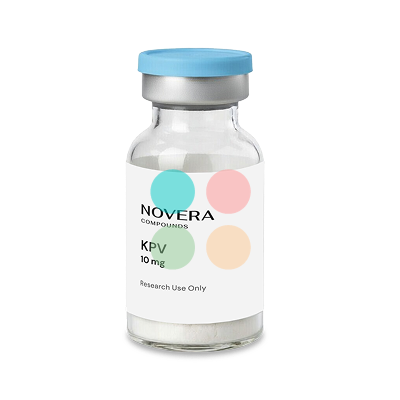
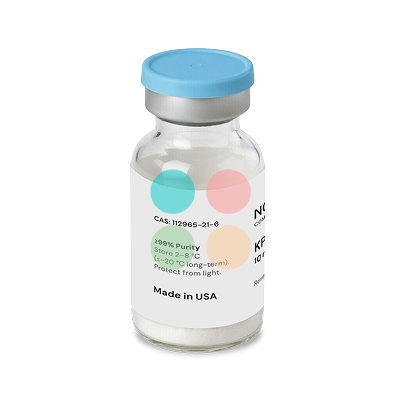
KPV (Lys-Pro-Val) is an ultra-short tripeptide derived from alpha melanocyte stimulating hormone (alpha MSH) that has attracted significant attention in laboratory research for its anti inflammatory properties, particularly within the gastrointestinal tract. As a C-terminal fragment of alpha MSH corresponding to amino acid positions 11–13, this compound operates through melanocortin receptor-independent pathways, suppressing NF-κB and MAPK signaling in intestinal epithelial cells and immune cells at nanomolar concentrations. Most evidence regarding KPV’s efficacy comes from laboratory and animal studies, and no human clinical trials have been registered as of 2026.
KPV peptide capsules offered through FillerSupplies.com under the Novera brand are classified as a research chemical, not for human consumption. All products are supplied exclusively for laboratory and research purposes, intended for use by licensed professionals investigating inflammatory conditions, gut inflammation, and related cellular mechanisms. The tripeptide KPV is not FDA-approved as a treatment or medication, and its safety and efficacy in humans remain largely unestablished and experimental.
General Information About KPV
KPV is a tripeptide with the amino acid sequence Lys-Pro-Val, carrying a molecular weight of approximately 342.43 g/mol. Derived from the C-terminal end of alpha melanocyte stimulating hormone (alpha MSH), this three-amino-acid fragment retains many of the parent hormone’s anti inflammatory properties while lacking its pigmentary and hormonal effects. Unlike full-length alpha MSH, KPV does not bind melanocortin receptors (MC1R, MC3R, MC5R), meaning its mechanism of action is melanocortin receptor-independent.
At the cellular level, the peptide is transported into intestinal epithelial cells via the PepT1 transporter, which is notably upregulated during intestinal inflammation. Once inside the cell, it inhibits NF-κB activation – a key inflammatory pathway – and suppresses MAPK signaling cascades. These actions reduce transcription of pro inflammatory cytokines including IL-1β, IL-6, TNF-α, and interleukin-8 (IL-8). KPV does not stimulate melanocytes, thus not causing skin darkening, and acts as a targeted cellular modulator rather than a broad-spectrum immunosuppressant. Plasma half-life estimates for KPV derive from tripeptide class inference rather than direct experimental measurement, as no published human pharmacokinetic data exist.
The compound has also demonstrated antimicrobial properties against pathogens like Staphylococcus aureus and may stabilize mast cells, potentially reducing allergic reactions. KPV raw powders are often labeled for research use only, and the peptide is available as a lyophilized powder in vial sizes of 5 mg and 10 mg. Oral capsules typically contain 500 mcg of KPV, while the compound can also be delivered via topical creams or sprays depending on research protocol requirements.
Types of KPV Peptide Capsules
Research-grade KPV capsules are generally categorized by concentration and formulation characteristics. Because capsule form is a delivery choice rather than intrinsic to the peptide itself, published literature on specific capsule preparations remains limited – selection depends on the experimental design and laboratory infrastructure. All formulations discussed below are intended for laboratory and research purposes only by licensed professionals.
Standard Concentration KPV Capsules (5–10 mg)
Standard-concentration capsules in the 5–10 mg range serve as the entry point for most vitro laboratory research and preliminary in vivo investigations. These are particularly well suited for initial studies examining anti inflammatory mechanisms, melanocortin pathway modulation, and NF-κB inhibition in cell culture models. Researchers investigating KPV’s interaction with epithelial cells or immune cells in controlled laboratory settings typically begin with these concentrations to establish baseline dose-response data before scaling protocols.
High-Concentration KPV Capsules (15–25 mg)
Formulated for advanced research requiring greater peptide concentrations, high-dose capsules support studies examining dose-response relationships across extended protocols. These preparations are preferred in research on intestinal inflammation models, particularly murine models of inflammatory bowel disease where repeated dosing is necessary. Investigators studying tissue repair mechanisms or conducting comparative analyses between KPV and other anti inflammatory peptides often select this concentration range to accommodate the quantities demanded by longer experimental timelines.
Research-Grade KPV Capsules with Enhanced Stability
Specially formulated capsule preparations incorporate stabilizing excipients to maintain peptide integrity over extended storage periods. Because small peptides degrade through deamidation, hydrolysis, and oxidation, these formulations offer capsule shell protection (gelatin or hypromellose) alongside controlled storage parameters. Laboratories planning multi-phase research projects that span months benefit from enhanced stability formulations, which help ensure consistent potency without requiring ultra-cold storage infrastructure for every aliquot.
What to Look For in Research-Grade KPV Peptide Capsules
Selecting appropriate KPV peptide capsules for laboratory research requires careful evaluation of several critical quality parameters. Reproducible experimental outcomes depend on compound integrity, and the parameters below represent minimum standards that any reputable vendor should meet.
Peptide Purity and Molecular Weight Verification
HPLC is the usual method for confirming batch-to-batch consistency before research material enters an experiment. Molecular weight confirmation through mass spectrometry (expected ~342.43 g/mol for Lys Pro Val) provides identity verification that the capsule actually contains the correct tripeptide rather than a mixture of free amino acids. Look for a Certificate of Analysis (COA) for purity – batch-specific documentation showing HPLC chromatograms, identity peaks, and endotoxin content. A reputable vendor should provide third party testing results, and researchers should avoid vendors making dramatic medical claims about KPV, as these signal poor regulatory compliance.
Capsule Formulation and Excipients
The capsule shell material – whether gelatin or hypromellose – and any fillers or bulking agents can influence peptide stability and potentially interfere with downstream analytical assays. Pharmaceutical-grade encapsulation matters because impurities or reactive excipients may accelerate peptide degradation or introduce confounding variables in sensitive immunological measurements. Vendor specification sheets are often vague about excipient composition, so requesting detailed formulation data before purchase protects experimental validity. Choose vendors with cGMP-certified manufacturing facilities to minimize contamination risk.
Storage and Stability Parameters
Lyophilized powder forms of KPV remain stable for approximately three years at −20 °C and roughly two years at 4 °C, with significantly shorter shelf life at ambient temperatures. Reconstituted aqueous solutions degrade much faster – storage at −80 °C is recommended for long-term use, and multiple freeze-thaw cycles should be avoided. Capsule formulations offer some protection against moisture and light, but researchers should still store them in temperature-controlled environments and track lot expiration dates for proper inventory management across research project timelines.
How to Choose the Right KPV Peptide Capsules for Research
Selecting the appropriate capsule formulation requires matching product characteristics to specific research objectives, institutional capabilities, and regulatory requirements. The table below summarizes key decision factors across capsule types:
|
Capsule Type
|
Concentration
|
Primary Research Application
|
Storage Requirement
|
|
Standard
|
5–10 mg
|
In vitro cell studies, preliminary dose-response
|
−20 °C recommended
|
|
High-Concentration
|
15–25 mg
|
Murine models of IBD, extended protocols
|
−20 °C recommended
|
|
Enhanced Stability
|
Variable
|
Multi-phase, long-term studies
|
4 °C acceptable short-term
|
Research Protocol Requirements
Matching capsule concentration to experimental design is the first decision. For in vitro work with intestinal epithelial cells, lower concentrations suffice – Dalmasso et al. demonstrated in their 2008 Gastroenterology study that nanomolar concentrations of KPV were sufficient to inhibit NF-κB in cell culture. In contrast, oral delivery research using murine models of inflammatory bowel disease used KPV at approximately 100 µM in drinking water, requiring substantially more compound over multi-week protocols. A 10 mg vial of KPV lasts about 20 days at 500 mcg/day, which provides a practical benchmark for calculating supply needs. Dosing frequency, route of administration, and the bell-shaped dose-response curve observed in certain models (where intermediate doses produce maximal effects) all influence concentration selection.
Laboratory Infrastructure and Storage Capabilities
Facilities with reliable −20 °C freezer capacity and temperature monitoring can use standard lyophilized or capsule formulations without concern. Laboratories lacking consistent cold-chain infrastructure should consider enhanced-stability preparations or plan for more frequent procurement cycles. A 4 mg vial of KPV costs about $39, while a 10 mg vial typically costs $39.60 to $55 – and 5 mg vials of KPV cost nearly double per mg compared to 10 mg vials. Bulk purchasing at the higher vial size delivers better cost efficiency for well-equipped laboratories planning sustained research programs.
Regulatory and Compliance Considerations
Institutional animal care and use committee approval is required for any in vivo research with KPV, and all materials must arrive with batch-specific COAs. In the United States, some peptides including KPV face scrutiny from the Pharmacy Compounding Advisory Committee (PCAC), which can restrict supply through compounding pharmacies. Researchers should verify import regulations and ensure that the research chemical designation is clearly documented in procurement records. Every KPV capsule or vial should be handled under standard laboratory safety protocols, with appropriate documentation maintained for audit purposes.
KPV Use in the Research Setting
KPV is supplied as lyophilized powder, oral capsules, and related formulations strictly for research and laboratory use only. The following subsections detail specific research applications where KPV has demonstrated notable activity in preclinical models.
Anti-Inflammatory Activity in Intestinal Models
KPV is primarily used in research for its anti inflammatory properties in the gastrointestinal tract. In a landmark 2008 study, Dalmasso et al. published in Gastroenterology that oral administration of KPV in drinking water reduced the incidence and severity of both DSS- and TNBS-induced colitis in murine models. Pro inflammatory cytokines – including IL-1β, IL-6, TNF-α, and IFN-γ – showed significant mRNA reduction in treated animals. KPV may reduce intestinal inflammation in murine models of IBD, and the peptide reduces inflammatory infiltrates and MPO activity in gut tissues, a marker of neutrophil accumulation. KPV also helps strengthen tight junctions in the gut wall, suggesting a role in barrier function maintenance.
“Nanomolar concentrations of KPV inhibit the activation of NF-κB and MAP kinase inflammatory signaling pathways, and reduce pro-inflammatory cytokine secretion… oral administration of KPV reduces the incidence of DSS-, and TNBS-induced colitis.”
KPV may inhibit NF-κB and MAPK activity in intestinal cells through a mechanism that depends on intracellular uptake via the PepT1 transporter, which is upregulated during gut inflammation. KPV may also decrease chronic inflammation linked to scarring, an area of growing interest in gastrointestinal research.
Citation Capsule: In a 2008 Gastroenterology study (Dalmasso et al.), KPV administered orally at ~100 µM in drinking water to DSS-treated mice reduced colon shortening and suppressed mRNA levels of IL-1β, IL-6, TNF-α, and IFN-γ – all evidence derived from murine models, not human subjects.
Comparative Efficacy Against Alpha-MSH
A 2024 study published in the Journal of Pharmacology and Experimental Therapeutics dissected the anti-inflammatory effects of KPV versus full-length alpha MSH in a urate peritonitis mouse model. Subcutaneous KPV at 9 nmol produced approximately 42% inhibition of PMN migration, while alpha MSH at 6 nmol yielded roughly 33% inhibition in the same model. These data suggest the tripeptide fragment can rival or exceed the parent hormone’s efficacy in certain inflammatory conditions, despite being a fraction of its size. Notably, dose-response curves were bell-shaped: higher doses of KPV (up to 88 nmol) produced diminished effects, indicating that careful concentration selection is critical in research design.
|
Route / Model
|
Compound
|
Dose
|
Key Outcome
|
|
Subcutaneous, urate peritonitis (mouse)
|
KPV
|
9 nmol
|
~42% inhibition of PMN migration
|
|
Subcutaneous, urate peritonitis (mouse)
|
α-MSH
|
6 nmol
|
~33% inhibition of PMN migration
|
|
Oral (drinking water), DSS colitis (mouse)
|
KPV
|
~100 µM
|
Reduced colon shortening, cytokine suppression
|
|
In vitro, bronchial epithelial cells
|
KPV
|
~1 µg/mL
|
Suppressed NF-κB, IL-8, MMP-9 activity
|
<em>Important to Know:</em>
Bronchial Epithelial Cell Research
Beyond the gastrointestinal tract, KPV has been examined in respiratory inflammation models. Land reported in 2012, in the International Journal of Physiology, Pathophysiology and Pharmacology, that KPV at low microgram-per-millilitre
concentrations suppressed TNFα-evoked NF-κB reporter activity, reduced IL-8 release, and inhibited MMP-9 activity in human bronchial epithelial cells. The mechanism involved inhibition of p65 nuclear translocation – a downstream step in NF-κB activation – and rescue of cell cycle disruption caused by inflammatory stimuli. KPV reduces inflammatory cytokines like interleukin-8 (IL-8) through this pathway, supporting its characterization as a targeted modulator of inflammatory signaling rather than a global immunosuppressant.
Citation Capsule: In vitro work on human bronchial epithelial cells (Land, 2012) showed that KPV blocked p65 nuclear translocation and reduced IL-8 secretion and MMP-9 enzymatic activity, confirming its anti-inflammatory action extends beyond the gut to airway epithelial cells.
Advanced Delivery Systems and Formulation Research
Oral delivery of free KPV peptide faces significant challenges from gastrointestinal degradation. A recent study (published ~2025) described a self-immolative conjugate system (“proKPV”) that achieved approximately 3.8-fold greater colon accumulation compared to unconjugated peptide and demonstrated efficacy at one-twentieth the free KPV dose in colitis models. This research underscores that capsule and delivery formulation choices are not merely logistical – they directly affect bioavailability and experimental outcomes. Laboratories planning oral delivery studies should evaluate whether standard oral capsules, nanoparticle carriers, or prodrug conjugates best serve their research objectives.
“ProKPV achieved ~3.8× more colon accumulation versus free peptide and was effective at 1/20th of the dose – pointing to formulation as a decisive factor in research planning.”
Buy KPV Peptide Capsules Online at FillerSupplies.com
Researchers looking to buy KPV peptide for laboratory applications can purchase research-grade KPV peptide capsules and vials through FillerSupplies.com. The Novera-branded KPV product line is designed to support investigators studying anti inflammatory mechanisms, intestinal inflammation, and related cellular pathways in controlled laboratory settings. Whether you need to buy KPV 10 mg vials or oral capsules for your next protocol, FillerSupplies.com provides a streamlined procurement process for licensed professionals.
-
Authentic, certified products – original, quality-controlled compounds, warehouses worldwide.
-
11 years of reliability & trust – established supplier on the market since 2006.
-
Temperature-controlled shipping – thermal packaging with ice gel / cold packs preserves stability.
-
Express worldwide shipping – next-day dispatch, global delivery.
-
Best wholesale prices – tiered bulk discounts and price-match guarantee.
-
Privacy guaranteed; expert support at (888) 392-6640, WhatsApp and email, Mon–Fri 10 am–6 pm EST.
-
Supplied for research use only, to licensed professionals.
All KPV peptide capsules and vials sold through FillerSupplies.com are intended exclusively for research use by qualified professionals. These products are not intended for human consumption, are not a dietary supplement, and should not be incorporated into any wellness routine without appropriate institutional oversight and regulatory authorization.
Related research peptides available at FillerSupplies.com: Thymosin Alpha-1, LL-37, TB-500.
FAQ
Is KPV Peptide Safe for Use in Research Settings?
KPV's safety and efficacy in humans remain largely unestablished and experimental. Published acute and repeat-dose toxicity data are sparse, with FDA briefing documents referencing animal toxicology studies but no human safety trials. Researchers should follow standard laboratory safety protocols when handling this research chemical, including appropriate PPE and institutional biosafety guidelines. Consultation with a healthcare professional is recommended before designing any protocol involving biological systems.
What Is the Mechanism of Action of KPV Peptide?
KPV is transported into cells via the PepT1 transporter, which is upregulated during intestinal inflammation. Once intracellular, the peptide inhibits NF-κB activation and MAPK signaling pathways, reducing transcription and secretion of pro inflammatory cytokines such as IL-1β, IL-6, TNF-α, and IL-8. Unlike full-length stimulating hormone alpha MSH, KPV operates independently of melanocortin receptors.
How Does KPV Compare With Other Anti-Inflammatory Peptides?
In a 2024 JPET study using a urate peritonitis mouse model, KPV at 9 nmol achieved approximately 42% inhibition of PMN migration - exceeding the ~33% inhibition produced by alpha MSH at 6 nmol in the same model. This comparison is notable because KPV is only three amino acids long versus the 13 amino acid sequence of alpha MSH. All comparative data derive from animal and in vitro research, and direct comparisons with peptides like BPC-157 or hyaluronic acid-based compounds lack controlled studies.
What Dosing Protocols Are Used in KPV Research?
Dose ranges vary substantially by model system. In murine models of colitis, oral administration at ~100 µM in drinking water was used by Dalmasso et al. (2008). Subcutaneous administration in peritonitis models used 3–88 nmol, with peak efficacy at 9 nmol. For in vitro work with epithelial cells, concentrations of approximately 1 µg/mL were effective. Bell-shaped dose-response curves have been observed, meaning higher concentrations do not always produce greater effects.
How Should KPV Peptide Capsules Be Stored and Handled?
Lyophilized powder forms remain stable for up to three years at −20 °C and approximately two years at 4 °C. Reconstituted aqueous solutions should be stored at −80 °C for long-term preservation, and repeated freeze-thaw cycles must be avoided. Capsule formulations offer partial protection from moisture and light but should still be maintained under temperature-controlled conditions in the laboratory.
Is KPV a Prohibited Substance in Athletic or Clinical Research?
KPV is not currently listed on the World Anti-Doping Agency (WADA) prohibited list. However, researchers should verify current regulatory status before incorporating the compound into any study involving human subjects or sport-adjacent research. The peptide remains classified as a research chemical with no approved clinical indication.
Where Can Researchers Buy KPV Peptide Online?
Licensed professionals asking where to buy KPV peptide can purchase research-grade formulations - including capsules, lyophilized powder, and vials - through FillerSupplies.com. KPV comes in 5 mg and 10 mg vial sizes, and the website offers express worldwide shipping with temperature-controlled packaging. All products are supplied for research use only, and buyer verification may be required at the point of purchase.