Botulax vs. Botox: Which Botulinum Toxin is Better?
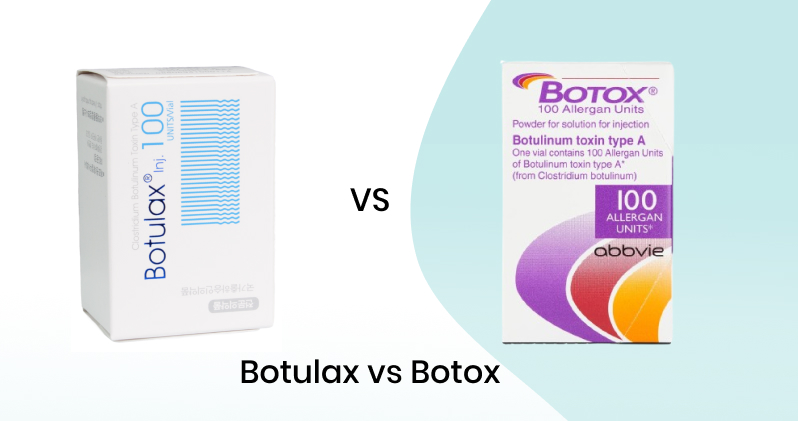
In aesthetic medicine, non-invasive treatments, particularly injections, have been and remain among the most popular options for addressing signs of aging. Multiple variations are developed to meet the most versatile patients’ needs, rapidly improving in terms of longevity, safety, and efficiency. Botulinum toxin injections are particularly well-received in both aesthetic and therapeutic treatments.
Today, we would like to discuss the two major brands that are quite popular on the FillerSupplies website: Botulax and Botox. Both are excellent for numerous reasons: easy application, natural-looking finish, consistent results, and so on. But what differentiates the brands? How to make the right choice and pick the best option for your patients? Are these products really so strikingly disparate? We are going to list all the essentials in this blog post.
Botulax and Botox General Overview
| Botulax | Botox | |
| Manufacturer | Hugel Pharma | Allergan (AbbVie) |
| Composition | Botulinum toxin type A, human serum albumin, sodium chloride | Botulinum toxin type A, human serum albumin, sodium chloride |
| Onset time | 2-3 days | 3-5 days |
| Duration | Up to 8 months (5-6 on average) | Up to 6 months (4 on average) |
| Protein content | Lower protein load | Higher protein load |
| Pricing | Affordable injection (costs 30-40% cheaper than Botox) | Premium pricing |
#1. Manufacturer and Formulation
Botox is produced by the global pharmaceutical company Allergan (AbbVie), while Botulax is the creation of the South Korean manufacturer Hugel Pharma. Both cosmetic treatments are able to provide a long-lasting effect with a natural-looking finish.
As for the formulation, both injections contain high-quality botulinum toxin type A, just like other botulinum toxin products. It enables the temporary paralysis of muscle tissue contraction, which is one of the most crucial aspects of Botulax and Botox treatments. However, clinical outcomes with Botulax occur more quickly than with Botox; all because Korean Botox contains a lower protein load, which allows it to act faster to paralyze targeted muscles. Still, both variations are safe and respected in the cosmetics industry.
“The variation in protein load between different botulinum toxin type A products, such as onabotulinumtoxinA and letibotulinumtoxinA, often explains the subtle differences in onset times reported by patients in clinical settings,” notes Dr. Sarah Jenkins, Board-Certified Dermatologist and Aesthetic Researcher.
*You must be a board-certified medical professional to buy Botulax (Letybo) or Botox at FillerSupplies.
#2. Clinical Efficacy
Both Botox and Botulax can be used for effective treatment in both cosmetic and therapeutic applications, as their main task is to stop muscle spasms by preventing their contraction. Specialists may achieve the following optimal results with these brands:
- In terms of cosmetic purposes, Botulax and Botox are commonly selected to prevent emotional wrinkles, aka dynamic lines that develop due to facial muscles contraction. It includes glabellar lines, crow’s feet, forehead wrinkles (injected into the frontalis muscle), etc. They are also often used to enhance the upper lip, hide a gummy smile, or slim one’s jawline;
- As for medical treatments, these brands work perfectly for muscle spasms, lazy eye, overactive bladder, chronic migraine, excessive sweating, and other issues that develop due to excessive muscle contraction.
One injection session is typically enough to achieve optimal treatment outcomes; as for maintenance therapy, one session every four to five months is typically enough to maintain the positive effect and preserve one’s more youthful appearance. Still, the individual treatment plan must be tailored to one’s needs and unique aesthetic goals for optimal results.
#3. Desired Outcomes
Both Botox and Botulax are quite effective and provide wonderful results, but they still differ in terms of dates. Botulax may have a faster onset of results, with some users reporting effects in 2-3 days compared to 3-5 days for Botox. Another aspect is the longevity: Botox results generally last between 3 and 4 months, while Botulax effects can last up to 5-6 months in some patients. Regular maintenance treatments every 3-4 months are recommended to maintain consistent results with both Botox and Botulax. However, each client is unique, so is the overall success of their treatment; the timeline becomes clearer after a few sessions, once specialists have analyzed all the received data.
“While individual metabolism plays a significant role in toxin longevity, some clinical observations suggest that letibotulinumtoxinA can offer a slightly prolonged duration of effect for specific muscle groups compared to traditional onabotulinumtoxinA,” states Dr. Marcus Thorne, Aesthetic Medicine Specialist.
The Main Differences Between Botulinum Toxin Injections
Even though Botulax and Botox are quite similar, there are some differences to note for a more profound understanding of both brands. Here are the essentials that each specialist must be aware of:
- Manufacturers. Botox is manufactured by Allergan (AbbVie), a global pharmaceutical company, while Botulax originates in South Korea and is created by Hugel Pharma. Thus, the manufacturing processes of these brands differ slightly.
- FDA approval. Botox is FDA-approved and licensed in over 90 countries for both aesthetic and therapeutic use. Botulax is approved by the Korean Ministry of Food and Drug Safety (MFDS) but is not FDA-approved, limiting its legal import and use in the United States. However, Botulax received FDA approval in February 2024 under the brand name Letybo for the treatment of moderate-to-severe glabellar lines, so technically, using this product in the US is still possible.
- Prices. Botulax is generally more affordable than Botox, making it a popular choice for clinics focused on budget-conscious patients. Korean products typically provide cost advantages of 30-40% lower pricing, compared to American versions, which is one of the reasons for their rapid reputation growth in the US market.
Similarities Worth Mentioning
As for the key similarities, there are a few factors that make Botulax and Botox quite equal. Here are some of the aspects to keep in mind:
- Formulation. Botulax is a lyophilized powder that requires reconstitution before injection, while Botox is also a powdered form but has a different formulation process. The formulation of Botulax includes human serum albumin, similar to Botox, but the excipients may differ.
- Therapeutic and cosmetic application. The brands are perfectly suitable for a wide range of aesthetic and medical goals. They handle muscle spasm-related issues well, providing long-lasting results with a natural finish.
- Post-treatment side effects. Most patients experience minor topical symptoms, such as swelling and redness, which tend to fade within a few hours to a day. A well-planned aftercare routine can speed up the recovery, which is why this step should never be skipped and must be discussed with a medical professional beforehand.
- Contraindications. Both Botulax and Botox should not be used if a person has an allergy to botulinum toxin type A, has serious chronic diseases, or is pregnant or breastfeeding. Limitations are typically discussed during the pre-treatment stage in the doctor’s office.
- Expected results. Both brands are proven to be quite effective. Even though their timeline differs slightly, patients can still expect profound results, a natural-looking finish, and a younger-looking appearance afterwards.
| Potential Side Effect | Expected Duration | Management Strategy |
|---|---|---|
| Mild Redness & Swelling | A few hours to 1 day | Apply a cold compress lightly; avoid rubbing the injection site. |
| Minor Bruising | 3 to 7 days | Avoid blood thinners and alcohol prior to treatment; use arnica cream if advised. |
| Mild Headache | 1 to 2 days | Over-the-counter pain relievers (as approved by the providing physician). |