Semaglutide is a synthetic GLP-1 receptor agonist studied extensively for its effects on glycemic regulation, appetite suppression, and metabolic signaling pathways. For researchers asking where to buy semaglutide for laboratory investigation, the choice typically comes down to two distinct categories: research-grade peptide supplied as lyophilized powder by specialized vendors, or pharmaceutical-grade semaglutide medication available as FDA approved products like Ozempic and Wegovy semaglutide. The distinction matters because cost, formulation flexibility, regulatory access, and laboratory compatibility differ dramatically between the two.
The short answer: For in vitro assays, animal model studies, and mechanistic receptor work, research-grade semaglutide from established suppliers like FillerSupplies.com offers far greater cost-effectiveness (roughly $5–$20 per mg vs hundreds of dollars per clinical dose), flexible reconstitution options, and straightforward procurement without prescription requirements. Pharmaceutical semaglutide is necessary only when your protocol specifically requires studying the approved formulation, its proprietary delivery system, or its clinical pharmacokinetics in a regulated setting. All products discussed in this comparison are supplied for research and laboratory use only.
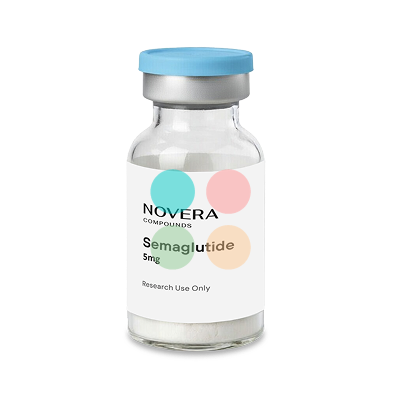
The 5mg Presentation of Semaglutide
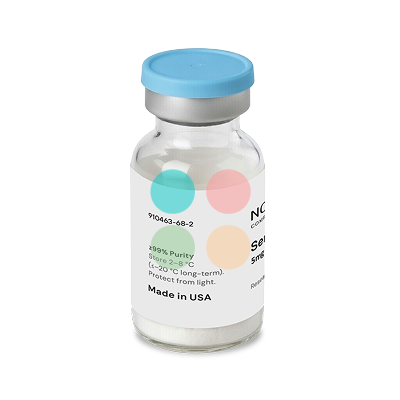
This listing supplies Semaglutide as a 5mg vial; the same compound is also offered in 2mg and 10mg. The peptide is identical across strengths, so the choice is about how much material a protocol needs from one lot rather than about the molecule itself.
Working concentration follows directly from the diluent volume. Reconstituting a 5mg vial with 2mL of bacteriostatic water yields 2.5mg/mL, while 4mL yields 1.25mg/mL. Because concentration depends on both fill and diluent, research protocols document the reconstitution recipe rather than the vial size alone, which is what makes results comparable between strengths.
A 5mg fill sits between the two extremes: enough for a complete series, without the surplus a larger vial leaves behind after reconstitution. Once reconstituted, the solution is refrigerated, protected from light and used within the planned experimental window, regardless of which fill it was prepared from.
What Is Research-Grade Semaglutide?
Research-grade semaglutide is a laboratory-optimized peptide manufactured by specialist suppliers and designated strictly for research and laboratory use only. It is typically supplied as a lyophilized powder in vials ranging from 5 mg to 30 mg, with purity specifications of ≥98–99% as verified by HPLC and mass spectrometry. Established research peptide suppliers-including FillerSupplies.com under the Novera brand-provide batch-specific documentation confirming identity and quality for each lot.
These products carry explicit “not for human or veterinary use” labeling and are intended for in vitro assays, animal studies, and mechanistic investigations. The lyophilized format allows researchers to reconstitute the peptide in bacteriostatic water or other controlled solvents, adjusting concentration and administration route to fit their specific experimental protocol. This flexibility is a defining advantage over fixed-dose clinical formulations.
What Is Pharmaceutical Semaglutide?
Pharmaceutical semaglutide refers to FDA approved medications marketed under brand names including Ozempic (injectable, for type 2 diabetes), Wegovy (injectable, for chronic weight management), and Rybelsus (oral tablets). Semaglutide is FDA approved for weight management since 2021 and for blood sugar control in type 2 diabetes. These formulations are supplied as pre-filled injection pens or tablets with fixed clinical doses-Ozempic pens, for example, deliver 0.25 mg, 0.5 mg, 1 mg, or 2 mg per weekly injection following a prescribed titration schedule designed to minimize gastrointestinal side effects.
Access to pharmaceutical semaglutide requires a valid prescription from a licensed healthcare professional. A legitimate provider must have a licensed healthcare professional for medication approval, and legitimate services require a doctor to review your medical history before prescribing. Distribution occurs exclusively through pharmacies or authorized clinics, making these formulations impractical for most laboratory procurement scenarios. Wegovy’s list price is approximately $1,349.02 per month without insurance, though Novo Nordisk has announced a reduction to $675 per month beginning January 2027 for insured patients. These medication costs place pharmaceutical versions at a substantial disadvantage for research budgets.
Research-Grade vs Pharmaceutical Semaglutide: How They Compare at a Glance
| Factor |
Research-Grade Semaglutide |
Pharmaceutical Semaglutide (Ozempic, Wegovy, Rybelsus) |
| Best for |
In vitro studies, animal models, receptor binding assays, metabolic signaling research |
Clinical protocol replication, approved formulation studies, human PK/PD research under IND |
| Format |
Lyophilized powder; researcher-specified vials (5–30 mg) |
Pre-filled pens or tablets; fixed doses; proprietary delivery systems |
| Cost per mg |
~$5–$20 depending on vendor and quantity |
~$200–$500+ per mg at clinical list prices |
| Typical vial/unit price |
$60 for 5 mg; ~$89 for 10 mg; ~$235 for 30 mg |
~$935–$1,349 per monthly pen or supply |
| Purity |
≥98–99% (HPLC/MS verified) |
Meets pharmaceutical cGMP; FDA-approved specifications |
| Availability |
Direct purchase from RUO suppliers; global shipping; no prescription required |
Prescription required; pharmacy distribution only; import/export restrictions |
| Regulatory status |
Research Use Only; not regulated as a drug product |
FDA-approved NDA; prescription drugs with full regulatory oversight |
For researchers conducting non-clinical studies, research-grade semaglutide delivers the same active pharmaceutical ingredient at a fraction of the cost with significantly greater experimental flexibility.
Cost and Accessibility for Research Applications
Cost is typically the first factor researchers evaluate, and the difference between these two categories is substantial. Research-grade semaglutide from established suppliers is priced between approximately $60 for a 5 mg vial and $235 for 30 mg, translating to roughly $5–$20 per milligram depending on vendor and order volume. Laboratories gain further scale advantages through bulk purchasing: vendors commonly offer tiered wholesale prices that drop the per-milligram cost significantly for multi-vial orders, making large-scale animal studies and dose-response experiments economically feasible.
Pharmaceutical semaglutide, by contrast, carries a monthly cost that reflects clinical development, regulatory compliance, and brand pricing. Wegovy costs around $1,349.02 per month without insurance coverage. Even compounded semaglutide typically costs between $149 and $299 per month through various telehealth platforms-Mochi Health offers compounded semaglutide for $99 per month, Hims & Hers charges $149 per month for semaglutide prescriptions, and Weight Watchers Med+ starts at $273 per month for semaglutide. These figures remain far above research-grade pricing on a per-milligram basis. Walgreens offers Wegovy starting at $149 per month through specific programs, and OnlineSemaglutide.org charges $141 per month for compounded semaglutide, but all of these require a valid prescription and are structured for clinical rather than laboratory use.
Accessibility further separates the two categories. Research-grade semaglutide ships globally through specialized suppliers with temperature-controlled packaging, typically dispatching within one business day. No prescription is required; laboratories can order directly. Pharmaceutical versions require prescription medications issued by licensed providers, and semaglutide is legally available online with a prescription only through authorized pharmacy partners or telehealth platforms. Telehealth consultations involve a medical screening before prescribing semaglutide, and a BMI of 30 or higher typically qualifies for semaglutide prescriptions-requirements irrelevant to laboratory procurement. The FDA warns about counterfeit and illegally marketed semaglutide sold online, making purchasing semaglutide online safest through reputable platforms whether for clinical or research channels.
Winner: Research-Grade Semaglutide – The cost advantage is roughly 10–50× per milligram, and procurement is straightforward without prescription barriers. Pharmaceutical versions only make sense when studying the approved formulation itself under regulatory oversight.
Purity and Laboratory Compatibility
Research-grade semaglutide from reputable suppliers typically meets ≥98–99% purity as verified by HPLC, with identity confirmation via mass spectrometry. Batch-specific certificates of analysis document these specifications. Some vendors also include endotoxin testing results-a critical parameter for in vivo animal studies where endotoxin contamination could confound results. The lyophilized powder format gives researchers complete control over reconstitution: choice of solvent, concentration, pH adjustment, and administration route (subcutaneous injection, intravenous infusion, or in vitro application) can all be tailored to the experimental protocol.
Pharmaceutical semaglutide meets cGMP manufacturing standards with rigorous FDA-approved specifications, including documented inactive ingredients, pH, stabilizers, and sterility. However, these fixed formulations cannot be repurposed for non-approved study models without regulatory clearance. The pre-filled pen format delivers a set concentration in a proprietary delivery device-useful for clinical pharmacokinetic studies but impractical for dose-response curves, in vitro receptor binding assays, or animal model experiments requiring dose adjustments.
Research-grade semaglutide in lyophilized form enables investigators to reconstitute the peptide at precisely the concentration their protocol demands-an essential advantage for in vitro receptor binding studies and animal dose-escalation experiments that fixed pharmaceutical formulations cannot provide.
An important technical consideration: the pharmaceutical product’s molecular structure includes specific modifications-amino acid substitution at position 8 to resist DPP-4 degradation, and acylation at Lys26 with a C18 fatty diacid via a hydrophilic spacer for albumin binding-that confer its approximately 155-hour half-life. Researchers must verify that their research-grade peptide matches these same modifications to ensure translational relevance. Compounded semaglutide and compounded versions from compounding pharmacies may use salt forms (semaglutide sodium or acetate) that do not match the approved base form, and the FDA has noted that compounded semaglutide may have impurities and inconsistent dosing. Compounded medications lack rigorous FDA testing for quality, and research indicates some online vendors sell semaglutide products with low purity or dangerous contamination levels. Compounded semaglutide is not FDA approved for safety.
However, it must be noted that variability between vendors in purity, identity, and stability can affect reproducibility. Certificate of analysis verification and supplier reputation are critical quality assurance measures for any laboratory purchasing decision.
Winner: Research-Grade Semaglutide – For laboratory applications, the lyophilized format’s reconstitution flexibility and dosing control outweigh the pharmaceutical formulation’s cGMP pedigree. The caveat: researchers must confirm sequence identity and modifications match their study requirements, and should source only from established, quality-controlled suppliers.
Regulatory Status and Research Compliance
Research-Use Only (RUO) peptides are not regulated as prescription drugs under the Federal Food, Drug, and Cosmetic Act. They cannot be marketed for therapeutic use and must include disclaimers stating “Not for human or veterinary use.” Laboratories must still comply with institutional review board requirements, animal research ethics protocols, and any applicable import regulations. Many RUO vendors require proof of institutional affiliation or professional licensing before fulfilling orders.
Pharmaceutical semaglutide operates under an entirely different regulatory framework. As an FDA approved drug product, it is distributed through the prescription drug supply chain. Avoid websites claiming to sell semaglutide without medical evaluation or prescription requirements-avoid sites offering semaglutide without a prescription to prevent illegal purchases. Telehealth platforms can prescribe semaglutide online safely, but telehealth services can prescribe semaglutide after a consultation that includes health history review and medical screening. A valid prescription from a licensed healthcare provider is generally required to obtain semaglutide for any clinical application. Using pharmaceutical products for non-clinical research in humans falls under investigational new drug (IND) regulation.
| Regulatory Dimension |
Research-Grade Semaglutide |
Pharmaceutical Semaglutide |
| Drug classification |
Not classified as a drug; RUO designation |
FDA-approved NDA; classified as prescription drug |
| Purchase requirements |
Institutional affiliation or professional licensing; no prescription needed |
Valid prescription required; dispensed through state licensed pharmacy |
| WADA status |
Banned substance (GLP-1 agonists prohibited in competition) |
Banned substance unless prescribed for approved therapeutic use |
| Import/export |
Generally unrestricted for laboratory shipments; cold-chain shipping |
Subject to pharmaceutical import/export regulations |
| Documentation |
Certificate of Analysis; vendor disclaimers |
Full prescribing information; FDA-approved labeling; adverse event surveillance |
Important to Know: The World Anti-Doping Agency (WADA) prohibits GLP-1 receptor agonists including semaglutide in competitive sport contexts. Any research involving human athletes must account for this prohibited-substance status regardless of whether the semaglutide is research-grade or pharmaceutical.
The FDA has issued specific warnings about compounded drugs containing semaglutide. Compounding should occur under specific legal conditions during drug shortages, and compounding pharmacies must use licensed sources for semaglutide with verified ingredient quality. Pharmacies that dispense compounded semaglutide must be licensed and meet specific regulatory requirements. Safety of compounded semaglutide depends on pharmacy practices, and the FDA has received reports of dosing errors with compounded injectable semaglutide-including patients withdrawing incorrect volumes from multi-dose vials. Brand-name semaglutide is FDA-approved for weight loss, while compounded semaglutide is not FDA-approved and lacks safety reviews.
Winner: Research-Grade Semaglutide – For non-clinical laboratory work, RUO procurement is legally straightforward and avoids the prescription, insurance provider, and regulatory overhead that pharmaceutical products require. Researchers should still ensure institutional compliance and proper documentation.
Research-Grade vs Pharmaceutical Semaglutide: Which Should You Choose?
- Choose research-grade semaglutide if your work involves in vitro assays, small animal models, mechanistic receptor studies, metabolic signaling investigations, or any non-clinical protocol requiring flexible dosing and cost-effective bulk quantities. The lyophilized powder format, combined with pricing roughly 10–50× lower per milligram than pharmaceutical alternatives, makes this the practical choice for the vast majority of laboratory applications. FillerSupplies.com is an established research supplier with 11 years of market experience, global shipping capabilities, and temperature-controlled delivery to preserve peptide stability-a reliable option for investigators looking for the best place to buy semaglutide online for
research purposes.
- Choose pharmaceutical semaglutide if your protocol specifically requires studying the approved formulation’s pharmacokinetics, its proprietary delivery system, clinical bioequivalence, or if you are conducting human studies under IND regulation with full IRB oversight. Be prepared for significantly higher costs and the administrative requirements of prescription drug procurement.
For the large majority of researchers conducting GLP-1 pathway studies, metabolic health investigations, or obesity medicine preclinical work, research-grade semaglutide is the clear winner on cost, flexibility, and accessibility. All research-grade products from FillerSupplies.com are supplied for research and laboratory use only, to licensed professionals.
Related research peptides available at FillerSupplies.com: Tirzepatide, Retatrutide, Cagrilintide.
FAQ
How Does the 5mg Semaglutide Vial Differ from the 10mg?
The peptide itself is identical; only the quantity of lyophilized powder differs. A 5mg vial yields more material per unit, which changes how many working solutions can be prepared from a single lot rather than changing the compound.
How Is a 5mg Vial of Semaglutide Reconstituted?
Final concentration follows directly from the diluent volume: adding 2mL of bacteriostatic water to a 5mg vial gives 2.5mg/mL, and 4mL gives 1.25mg/mL. The diluent is directed down the vial wall and the vial swirled, never shaken.
Why Would a Laboratory Choose the 5mg Strength?
A mid-range fill balances the two extremes: enough material for a full series without the surplus that a larger vial leaves once reconstituted.
Does the 5mg Fill Affect Stability?
No. Fill quantity does not alter the stability of the lyophilized powder. Stability matters after reconstitution, when the solution is refrigerated and used inside the planned experimental window.
How Should Reconstituted Semaglutide Be Stored?
Refrigerate at 2-8 degrees C and protect from light. Repeated freeze-thaw cycles are avoided because they degrade peptide integrity and introduce variability between runs.
Can Different Semaglutide Strengths Be Used Interchangeably in a Study?
Only if the final working concentration is matched. Because concentration depends on both fill quantity and diluent volume, protocols document the reconstitution recipe rather than the vial size alone.
Is Semaglutide Approved for Human Use?
No. It holds no FDA approval for any indication and is supplied strictly for laboratory research by licensed professionals.
- Wilding, J. P. H., et al. (2021). Once-Weekly Semaglutide in Adults with Overweight or Obesity. New England Journal of Medicine, 384(11), 989-1002. https://doi.org/10.1056/NEJMoa2032183
- Marso, S. P., et al. (2016). Semaglutide and Cardiovascular Outcomes in Patients with Type 2 Diabetes. New England Journal of Medicine, 375(19), 1834-1844. https://doi.org/10.1056/NEJMoa1607141
- Lau, J., et al. (2015). Discovery of the Once-Weekly Glucagon-Like Peptide-1 (GLP-1) Analogue Semaglutide. Journal of Medicinal Chemistry, 58(18), 7370-7380. https://doi.org/10.1021/acs.jmedchem.5b00726
- Blundell, J., et al. (2017). Effects of once-weekly semaglutide on appetite, energy intake, control of eating, food preference and body weight in subjects with obesity. Diabetes, Obesity and Metabolism, 19(9), 1242-1251. https://doi.org/10.1111/dom.12932