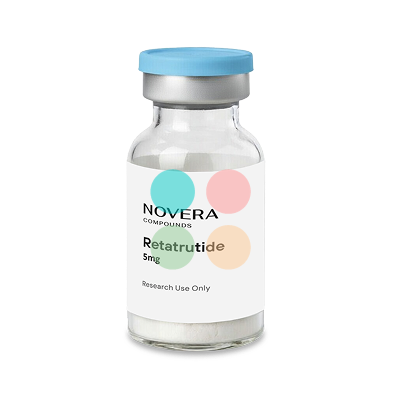
Retatrutide 5 mg is an investigational, next-generation metabolic peptide that has attracted significant attention in the fields of endocrinology, obesity management, and metabolic health research. Developed as part of a new class of multi-receptor agonists, Retatrutide is designed to target several hormonal pathways involved in appetite regulation, glucose metabolism, and energy expenditure.
Unlike earlier single or dual incretin-based therapies, Retatrutide is known as a triple hormone receptor agonist, acting simultaneously on GLP-1 (glucagon-like peptide-1), GIP (glucose-dependent insulinotropic polypeptide), and glucagon receptors. This unique mechanism has positioned it as one of the most promising investigational compounds for the treatment of obesity and type 2 diabetes in clinical research settings.
The “5 mg” designation typically refers to a titrated dose used in clinical studies or investigational protocols. As with many peptide-based metabolic agents, dosing is gradually escalated under controlled medical supervision to assess tolerability and therapeutic response.
It is important to emphasize that Retatrutide remains an investigational drug and is not yet approved for general clinical use. Its current profile is based on ongoing clinical trials conducted by its manufacturer and research collaborators.
PLEASE NOTE:
As for now, Retatrutide is primarily intended for laboratory research use. It has not yet been FDA-approved for human or veterinary use.
Manufacturer of the Retatrutide Peptide
Retatrutide was developed by Eli Lilly and Company, a global pharmaceutical leader with a strong portfolio in diabetes and metabolic disease therapeutics. Eli Lilly has been at the forefront of incretin-based drug development, building on the success of GLP-1 receptor agonists such as semaglutide and dual agonists like tirzepatide.
The development of Retatrutide represents an evolution in metabolic pharmacotherapy. By combining three receptor targets into a single molecule, researchers aim to achieve enhanced reduction of weight, improved blood glucose control, and potentially greater metabolic flexibility compared to earlier therapies.
| Medication |
Receptor Targets |
Developer |
Current Status |
| Semaglutide |
GLP-1 |
Novo Nordisk |
FDA Approved |
| Tirzepatide |
GLP-1, GIP |
Eli Lilly |
FDA Approved |
| Retatrutide |
GLP-1, GIP, Glucagon |
Eli Lilly |
Investigational / Clinical Trials |
Clinical trials, including Phase 2 studies, have evaluated the efficacy and safety of Retatrutide in adults with obesity and type 2 diabetes, showing substantial reductions in body weight and improvements in metabolic markers. However, regulatory approval is still pending, and further long-term data are required.
PLEASE NOTE:
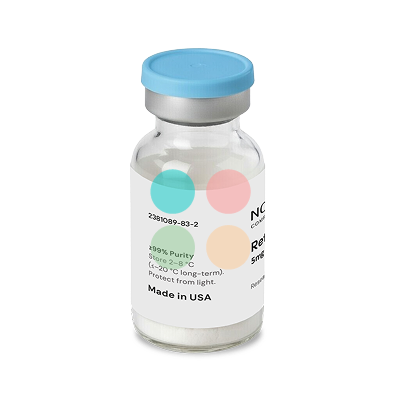
The shelf life of Retatrutide is 24 months from the manufacturing date under strict storage conditions. The product is transport acceptable under proper transportation conditions. In this regard, it is worth mentioning that cold-chain storage failures during shipping can degrade the potency of online peptides, making them unstable or unsafe to use.
Composition and Pharmacological Profile of the Triple Hormone Receptor Agonist Retatrutide
Retatrutide is a synthetic peptide engineered to mimic and enhance naturally occurring incretin hormones. Its structure allows it to bind to and activate three key receptors:
- GLP-1 receptor agonism: Reduces appetite, slows gastric emptying, and improves insulin secretion in response to glucose;
- GIP receptor agonism: Enhances insulin sensitivity and may contribute to improved lipid metabolism;
- Glucagon receptor agonism: Increases energy expenditure and promotes fat oxidation, contributing to weight reduction.
The simultaneous activation of these pathways results in a multi-dimensional approach to metabolic regulation. The 5 mg formulation typically represents an intermediate titration dose used to evaluate patient response and minimize gastrointestinal side effects during dose escalation in clinical studies.
As a peptide-based compound, Retatrutide is administered via subcutaneous injection, similar to other incretin-based therapies.
“The integration of glucagon receptor agonism alongside GLP-1 and GIP represents a paradigm shift in metabolic research. By targeting three distinct hormonal pathways, retatrutide not only suppresses appetite but actively drives energy expenditure, a crucial factor in the unprecedented weight reduction we are observing in clinical trials.” — Dr. Ania Jastreboff, MD, PhD, Endocrinologist and Obesity Medicine Specialist
PLEASE NOTE:
Retatrutide is supplied as a high-purity lyophilized powder intended strictly for laboratory studies and preclinical research use only, and it is not approved for human or veterinary use.
Indications (Research Use Only)
As research protocols show, Retatrutide is being studied for the following potential indications:
- Obesity management: One of the primary areas of investigation is the treatment of obesity, particularly in individuals with a body mass index (BMI) above clinical thresholds that do not acquire substantial results through healthy diet or sport. Early studies have demonstrated significant weight reduction outcomes compared to placebo and some existing therapies (namely, the product has delivered weight loss in the majority of research cases);
- Treatment of type 2 diabetes mellitus: Retatrutide is also being evaluated for glycemic control in patients with type 2 diabetes. Its dual incretin and glucagon activity may help improve sensitivity to insulin and glucose regulation;
- Reduction of metabolic syndrome: Researchers are exploring its role in creating a substantial relief and improvement of broader metabolic parameters (such as metabolic rate), including nutrient metabolism, lipid profiles, insulin resistance, glucose homeostasis, appetite control, and visceral adiposity;
- Cardiometabolic risk minimization: Due to its impact on weight and glucose metabolism, Retatrutide may potentially reduce long-term cardiovascular risk factors (such as high blood pressure), though definitive outcomes are still under investigation;
- Improvement of the overall energy balance: Healthcare specialists working with Retatrutide often examine its energy expenditure patterns.
Additionally, it is worth mentioning that the product is also actively studied when it comes to other indications, such as the reduction of knee osteoarthritis pain. However, the vast majority of the product’s current uses are clinical trial-based or investigational, and Retatrutide is not yet approved for routine human or animal use.
PLEASE NOTE:
Clinical trials have indicated that Retatrutide may lead to greater average weight loss than tirzepatide, another dual-agonist medication, although retatrutide is still investigational and not yet FDA-approved. More precisely, in early clinical trials, Retatrutide has shown the potential for significant weight loss, with participants on the highest dose losing an average of 28.7% of their body weight over 68 weeks, which is double the weight loss seen with other GLP-1 medications like Ozempic and Wegovy.
Contraindications and Precautions
Because Retatrutide is still under investigation, its full contraindication profile is not completely established. However, based on its mechanism of action and related drug classes, several precautions are considered relevant:
- Hypersensitivity: Individuals with known hypersensitivity to Retatrutide or any peptide excipients should avoid exposure;
- Personal or family history of medullary thyroid carcinoma (MTC): As with other GLP-1 receptor agonists, caution is advised in individuals with a history of MTC or Multiple Endocrine Neoplasia syndrome type 2, due to theoretical risk associations;
- Pancreatitis risk: Patients with a history of pancreatitis should be monitored carefully, as incretin-based therapies have been associated with rare pancreatic events;
- Severe gastrointestinal disease: Because Retatrutide slows gastric emptying, it may not be suitable for individuals with severe gastroparesis or other significant GI motility disorders;
- Pregnancy and lactation: There is insufficient safety data regarding use during pregnancy or breastfeeding. Therefore, it is generally not recommended in these populations;
- Pediatric use: Retatrutide is not indicated for use in children or adolescents outside of controlled research environments.
“While the efficacy data for retatrutide is exceptionally promising, maintaining rigorous clinical oversight is paramount. As an investigational triple-agonist, fully understanding its long-term cardiovascular, gastrointestinal, and pancreatic safety profile is essential before it can transition from a research setting to routine clinical practice.” — Dr. Robert Gabbay, MD, PhD, Chief Scientific and Medical Officer
Possible Side Effects
The safety profile of Retatrutide is still being characterized through clinical trials. However, reported side effects are consistent with its incretin-based mechanism of action.
Common Side Effects
- Nausea;
- Vomiting;
- Diarrhea;
- Constipation;
- Abdominal discomfort;
- Decreased appetite.
These effects are typically dose-dependent and more frequent during early titration phases.
| Side Effect Category |
Observed Symptoms |
Management in Clinical Trials |
| Gastrointestinal |
Nausea, vomiting, diarrhea |
Gradual dose titration and hydration protocols |
| Cardiovascular |
Mild increases in resting heart rate |
Routine vital sign monitoring |
| Systemic |
Fatigue, mild dizziness |
Ensuring adequate caloric and fluid intake during weight loss |
Metabolic and Cardiovascular Effects
- Mild increase in heart rate has been observed in some patients;
- Changes in blood pressure may occur secondary to weight loss.
Less Common but Clinically Relevant Effects
- Dehydration due to gastrointestinal symptoms;
- Fatigue;
- Dizziness during dose escalation.
Additional Monitoring Considerations
Healthcare professionals participating in clinical trials typically monitor:
- Glycemic response;
- Weight changes;
- Gastrointestinal tolerance;
- Cardiovascular markers;
- Injection site reactions.
Overall, tolerability appears consistent with other incretin-based therapies, though the triple agonist mechanism introduces a broader physiological effect profile.
Expected Results (According to Clinical Trials)
Retatrutide has generated significant scientific interest due to its robust efficacy signals in early clinical trials:
- Weight reduction: Clinical data have shown that patients receiving higher titration doses experienced substantial weight loss, in some cases exceeding 20% of baseline body weight over extended treatment periods. This places Retatrutide among the most potent pharmacological weight management agents studied to date;
- Blood glucose control: In patients with type 2 diabetes, improvements in HbA1c levels and fasting glucose have been observed, reflecting enhanced insulin sensitivity and glucose regulation;
- Metabolic improvements: Additional benefits noted in research settings include reduction in waist circumference, improved lipid profiles, and decreased markers of insulin resistance;
- Onset and progression: Effects are generally progressive, with early appetite suppression occurring within weeks, weight loss accumulating over months, and metabolic improvements continuing with sustained use.
It is important to note that individual responses vary, and outcomes depend on dosage titration, baseline metabolic status, and adherence to clinical protocols.
Benefits of Retatrutide
From a scientific and clinical standpoint, Retatrutide offers several potential advantages:
- Triple hormonal action: Unlike single or dual receptor agonists, Retatrutide engages GLP-1, GIP, and glucagon pathways simultaneously, offering a broader metabolic effect;
- Significant weight loss potential: Early studies suggest it may surpass existing pharmacological options in terms of weight reduction magnitude;
- Improved glycemic regulation: Its multi-pathway mechanism supports enhanced glucose control in type 2 diabetes patients;
- Potential metabolic flexibility: By increasing energy expenditure through glucagon receptor activation, Retatrutide may influence fat utilization more effectively than earlier agents;
- Once-weekly administration: The long-acting formulation supports convenient dosing schedules in clinical protocols;
- Expanding research applications: Ongoing studies continue to explore its role in cardiovascular risk reduction and long-term metabolic disease management.
Buy Retatrutide 5mg Online at FillerSupplies
All in all, Retatrutide 5 mg is a game changer when it comes to the research of GIP, GLP-1, and Glucagon receptor agonism. The product represents one of the most innovative investigational peptides in modern metabolic medicine. As a triple receptor agonist developed by Eli Lilly, it demonstrates promising results in human use in the management of obesity and type 2 diabetes within clinical research settings. While its efficacy profile is compelling, it remains an investigational compound requiring further long-term safety and regulatory evaluation before widespread clinical adoption.
For healthcare professionals and licensed practitioners operating within appropriate regulatory frameworks, access to advanced therapeutic tools continues to expand as research progresses. When commercially available and compliant with local regulations, Retatrutide and a wide range of other authentic medical and cosmetic injectables may be sourced through trusted professional suppliers such as FillerSupplies, ensuring product authenticity and quality for clinical use environments.
PLEASE NOTE:
Retatrutide is sold only to licensed healthcare professionals. The main reason for it is that without proper medical supervision, buyers of online peptides may face dosing inconsistencies and overdose risks due to lack of standardized formulations.
FAQ
Is Retatrutide 5 mg approved for general medical use?
No. Retatrutide is still an investigational compound undergoing clinical trials and has not yet received regulatory approval for routine prescribing.
How is Retatrutide administered?
It is administered as a once-weekly subcutaneous injection in clinical study settings, typically with gradual dose escalation.
What makes Retatrutide different from other weight management peptides?
It is a triple agonist targeting GLP-1, GIP, and glucagon receptors simultaneously, which may lead to enhanced weight loss and metabolic effects compared to single or dual agonists.
Can healthcare professionals currently purchase Retatrutide?
Availability depends on regulatory status and research authorization in each region. It is generally limited to clinical trial or approved research channels.
Is Retatrutide a GLP-1 agonist like semaglutide?
It includes GLP-1 receptor activity, but unlike semaglutide, it is a triple agonist, also targeting GIP and glucagon receptors for broader metabolic effects.
How quickly do patients see results in studies?
Early effects such as appetite reduction may appear within weeks, while significant weight loss and metabolic changes typically develop over several months.
Are gastrointestinal side effects common with Retatrutide?
Yes, as with other incretin-based therapies, nausea, diarrhea, and reduced appetite are among the most commonly reported side effects, especially during dose escalation.
- Eli Lilly and Company. What to Know About Retatrutide. https://www.lilly.com/news/stories/what-to-know-about-retatrutide
- Katsi V., Koutsopoulos G., Fragoulis C., Dimitriadis K., Tsioufis K. Retatrutide — A Game Changer in Obesity Pharmacotherapy. https://pmc.ncbi.nlm.nih.gov/articles/PMC12190491/ nih
- Jastreboff A.M., Kaplan L.M., Frías J.P., Wu Q., Du Y., Gurbuz S., Coskun T., Haupt A., Milicevic Z., Hartman M.L.; Retatrutide Phase 2 Obesity Trial Investigators. Triple–Hormone-Receptor Agonist Retatrutide for Obesity — A Phase 2 Trial. https://www.nejm.org/doi/full/10.1056/NEJMoa2301972 New England Journal of Medicine
- Jastreboff A.M., Kaplan L.M., Frías J.P., Wu Q., Du Y., Gurbuz S., Coskun T., Haupt A., Milicevic Z., Hartman M.L.; Retatrutide Phase 2 Obesity Trial Investigators. Der Dreifach-Hormonrezeptoragonist Retatrutid zur Therapie der Adipositas — eine Phase-II-Studie. https://falkfoundation.org/de/fgr/detail/der-dreifach-hormonrezeptoragonist-retatrutid-zur-therapie-der-adipositas-eine-phase-ii-studie/
- Jastreboff, A. M., Kaplan, L. M., Frías, J. P., et al. (2023). Triple-Hormone-Receptor Agonist Retatrutide for Obesity — A Phase 2 Trial. New England Journal of Medicine. https://www.nejm.org/doi/full/10.1056/NEJMoa2301972