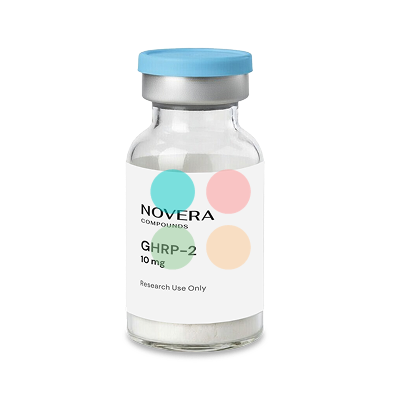
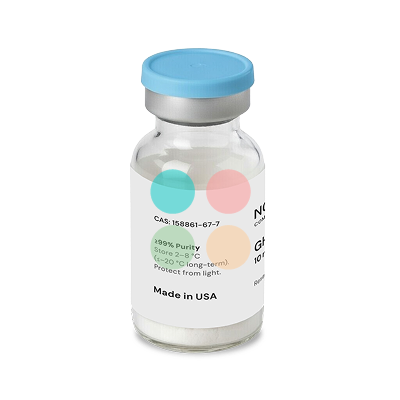
GHRP-2 (pralmorelin, KP-102) is a synthetic growth hormone secretagogue studied extensively for its ability to stimulate pulsatile growth hormone release from anterior pituitary gland cells via activation of the ghrelin receptor (GHS-R1a). Published research demonstrates that this growth hormone releasing peptide can induce up to a 181-fold increase in GH production in experimental models, making it one of the most potent secretagogues available for investigating the somatotropic axis, IGF-1 signaling, neuroendocrine regulation, and receptor pharmacology.
GHRP-2 is supplied by FillerSupplies.com as a research peptide for laboratory use only and is not approved by the FDA for human consumption. All information presented below reflects published peer-reviewed findings and is intended to support licensed researchers and medical professionals in designing rigorous experimental protocols. If you are looking to buy GHRP-2 online for qualified research applications, this page provides the scientific context and sourcing details you need.
General Information About GHRP-2
GHRP-2 is a pentapeptide composed of five amino acids arranged in the sequence D-Ala–D-(β-naphthyl)-Ala–Ala–Trp–D-Phe–Lys-NH₂. Its molecular formula is C₄₅H₅₅N₉O₆ with a molecular weight of approximately 817.97 g/mol. Originally developed as a met-enkephalin analogue, GHRP-2 incorporates non-natural D-amino acids and a β-naphthyl side chain that confer marked resistance to proteolytic degradation – a significant stability advantage over native GHRH, which is rapidly cleaved in circulation.
Despite its structural lineage from enkephalin peptides, GHRP-2 does not function as a selective opioid receptor agonist and does not significantly activate any of the four known opioid receptors. Instead, it acts as a potent ghrelin receptor agonist, binding GHS-R1a – a G-protein coupled receptor expressed on pituitary cells and in hypothalamic nuclei. Receptor activation initiates a well-characterized signaling cascade: coupling to Gαq/11 triggers phospholipase C, generating inositol trisphosphate (IP₃) and diacylglycerol (DAG). IP₃ stimulates the release of calcium ions from intracellular stores, while DAG helps activate protein kinase C (PKC), including novel isoforms such as PKCε and PKCδ. In co-expression systems with the GHRH receptor, GHRP-2 also elevates cyclic adenosine monophosphate (cAMP), producing synergistic amplification of growth hormone secretion.
The circulating half-life of GHRP-2 after intravenous administration in humans is estimated at approximately 25–30 minutes. In lyophilized powder form, the compound maintains excellent shelf stability, making it well suited for controlled laboratory environments. GHRP-2 may cause receptor desensitization lasting up to four hours after acute exposure, a pharmacological property that must be accounted for in experimental design.
GHRP-2 Use in the Research Setting
GHRP-2 is typically supplied as a lyophilized peptide powder intended exclusively for research and laboratory use. Below are the principal domains in which this GHRP-2 peptide has been investigated, with mechanistic detail, quantitative findings, and comparative data drawn from the published literature.
Growth Hormone Secretion Research
The primary application of GHRP-2 in experimental settings involves characterizing pulsatile GH secretion from the anterior pituitary gland. Studies in healthy adult men demonstrate that continuous intravenous infusion of GHRP-2 significantly increases pulsatile growth hormone output, basal GH secretion, and mass per secretory burst compared to saline controls (P < 0.001). When paired with GHRH, the effects are synergistic rather than merely additive, resulting in total GH secretion increases on the order of ~105 µg·L⁻¹ over a 10-hour window.
In critically ill adult subjects, continuous GHRP-2 infusion provoked a 4- to 6-fold increase in mean GH concentration versus baseline. GHRP-2 exposure can cause an 181-fold increase in GH production in certain experimental paradigms, positioning it among the most efficacious growth hormone secretagogues documented in the literature. In comparative cell-culture studies using rat and ovine somatotrophs, GHRP-2 tends to produce greater or more sustained GH release than GHRP-6, with distinct intracellular signaling: GHRP-2 raises cAMP (similarly to GHRH), whereas GHRP-6 does not, and GHRP-2’s GH release is partially blocked by adenylyl cyclase inhibitors.
| Model / Species |
Route / Dose |
GH Response |
| Healthy young adults (22–27 yr) |
i.v. 1 µg/kg and 2 µg/kg |
GH response to GHRP-2 > GHRH; dose-dependent (2 µg/kg > 1 µg/kg) |
| Elderly subjects (66–73 yr) |
i.v. 1–2 µg/kg |
Response still greater than GHRH but attenuated vs. young adults |
| Critically ill adults |
Continuous i.v. infusion (≥ 9 h) |
4–6× increase in mean GH; peak GH levels well above baseline |
| Holstein steers (livestock) |
s.c. injection, body-weight-adjusted |
IGF-1 significantly increased with high-protein diet; GH peaks higher Day 1 than Day 6 |
Important to Know: Most growth hormone release studies are acute or short-term. Repeated or prolonged exposure can lead to desensitization of GH response in some animal models, an experimental limitation that investigators must address in protocol design. Pralmorelin is approved as a diagnostic agent for growth hormone deficiency in Japan (marketed as GHRP Kaken 100 by Kaken Pharmaceutical) and holds Orphan Drug designation in the US for diagnostic detection of growth hormone deficiency, but it has not received full FDA approval for therapeutic use.
IGF-1 Pathway Investigations
A critical downstream consequence of GHRP-2-stimulated growth hormone secretion is upregulation of insulin like growth factor-1 (IGF-1) via hepatic and local tissue pathways. In critically ill adults, GHRP-2 infusion increased serum IGF-I by approximately 61 ± 13% within 24 hours; combining GHRP-2 with GHRH added a further ~40% elevation. GHRP-2 enhances IGF-1 levels from 100 mcg/l to 180 mcg/l in relevant experimental conditions, demonstrating rapid conversion of pulsatile GH secretion into measurable IGF-1 output even in catabolic states.
In ruminant models, Holstein steers receiving GHRP-2 alongside a high-protein diet exhibited significantly higher plasma IGF-1 at days 1, 2, and 6 post-administration compared to low-protein cohorts. Notably, IGF binding protein concentrations responded variably: IGFBP-3 increased under high-protein conditions, while IGFBP-2 showed no significant change, suggesting that dietary context modulates the GHRP-2/IGF-1 axis in ways relevant to growth performance and muscle protein deposition research.
Research suggests that GHRP-2 can increase muscle protein deposition significantly in animal models, and may reduce muscle atrophy by inhibiting atrogin-1, a key ubiquitin ligase involved in protein degradation. These findings have attracted interest in muscle structure research and body composition studies, including work examining how GHRP-2 may help overcome muscle growth limitations in yaks raised under adverse environmental conditions.
“GHRP-2 provoked a 4- to 6-fold increase in the mean GH concentration … which were associated with a 61 ± 13% increase in serum IGF-I within 24 h.”
Neuroendocrine Signaling Studies
Beyond GH release, GHRP-2 engages multiple axes within the hypothalamic-pituitary system. Studies in young adults (22–27 yr) using 1–2 µg/kg i.v. GHRP-2 documented modest but statistically significant elevations in ACTH and cortisol levels relative to both baseline and GHRH-treated controls. Increased cortisol levels from GHRP-2 can lead to hormonal imbalances in prolonged-exposure models, a consideration for researchers investigating secondary adrenal failure or somatotropic axis hormone regulation. GHRP-2 influences various hormonal pathways, including cortisol and prolactin levels, although prolactin elevation is generally lower than that observed with TRH stimulation.
As a ghrelin receptor agonist, GHRP-2 significantly increases appetite in experimental subjects. GHRP-2 increases food intake by 36% compared to controls, with energy intake per kilogram rising to 136.0 ± 13.0 kJ/kg. The compound stimulates hunger-promoting neuropeptides like Neuropeptide Y (NPY) and may modulate AgRP signaling, while also potentially inhibiting the appetite-suppressing melanocyte stimulating hormone α-MSH. GHRP-2 activates the mesolimbic reward system, generating food cravings that provide a robust model for appetite stimulation and food deprivation research. These properties make GHRP-2 valuable for studying energy intake regulation, body weight modulation, and the interplay between growth hormone secretagogue receptors and central feeding circuits.
Sleep architecture research has yielded compelling preliminary data: GHRP-2 may increase stages 3 and 4 sleep by 50%, enhance REM sleep duration by 20%, and reduce deviations from normal sleep by one-third. These findings connect to broader investigations of how GH secretagogue activity during sleep cycles may influence GH pulsatility and sleep quality, as the majority of physiological GH release occurs during slow-wave sleep.
GHRP-2 may increase blood sugar levels and decrease insulin sensitivity in certain experimental paradigms, an important variable for metabolic and body composition studies. GHRP-2 can also cause joint stiffness or discomfort as observed side effects in research settings.
Receptor Pharmacology Research
The binding affinity and selectivity of GHRP-2 for GHS-R1a have been characterized through radioligand displacement and functional assays. GHRP-2 activates growth hormone secretagogue receptors with high potency, triggering the Gαq/11 → PLC → IP₃/DAG signaling pathway that drives intracellular calcium mobilization and cellular signaling in pituitary cells. Calcium chelators block these responses in cell culture, confirming IP₃-dependent calcium ion release as obligatory for downstream GH secretion.
Cross-talk between GHS-R1a and the GHRH receptor has been documented: co-activation produces synergistic cAMP elevation and enhanced GH output beyond what either receptor achieves alone. Somatostatin exerts negative feedback on this system, and hypothalamic signals including NPY and AgRP further modulate GHRP-2’s neuroendocrine effects.
Emerging evidence indicates GHRP-2 may exert effects beyond the pituitary gland. Studies on human ovarian granulosa cells suggest ghrelin receptor expression in reproductive tissues, opening lines of inquiry into non-classical GHS-R1a signaling. In cardiovascular research, GHRP-2 may reduce apoptosis (programmed cell death) in cardiac cells, reduces superoxide production in blood vessels, decreases interferon-gamma levels by 66% in smooth muscle cells, and reduces gene expression of 12/15-lipoxygenase by 92%. GHRP-2 may also inhibit lipid accumulation in macrophages exposed to oxidized low density lipoprotein (OxLDL), suggesting a protective role against vascular oxidative stress. These macrophage migration inhibitory factors and anti-inflammatory pathways are under active investigation.
In immunology, GHRP-2 may enhance thymus function and T-cell production, rejuvenate the thymus to boost immune response, increase T-cell diversity, improve immunity against complex infections, and potentially reduce age-related immune decline. These immune system findings remain largely preclinical and require further validation.
Important to Know: GHRP-2 is explicitly prohibited by the World Anti-Doping Agency (WADA) at all times, classified under GH-Releasing Factors (S2.2.3) on the Prohibited List. Detection of GHRP-2 and related growth hormone secretagogues is enforced under Minimum Required Performance Level (MRPL) standards. This regulatory status is critical for any institution conducting research involving human subjects or sport-adjacent populations.
Comparative Peptide Studies
Head-to-head comparisons between GHRP-2 and related growth hormone secretagogues reveal meaningful pharmacological distinctions. In ovine and rat somatotrophs, GHRP-2 elevates cAMP in a manner partially overlapping with GHRH, whereas GHRP-6 does not – a difference with implications for understanding entropic GH secretion patterns and combinatorial signaling. GHRP-6 tends to provoke stronger appetite stimulation and somewhat greater off-target cortisol and prolactin release than GHRP-2 in human studies, while GHRP-2 demonstrates comparatively cleaner GH releasing peptide efficacies with less pronounced ACTH and cortisol co-stimulation.
“GHRP-2 increases cAMP similarly to GHRH, whereas GHRP-6 does not – GHRP-2’s GH release is partially blocked by adenylyl cyclase inhibitors, highlighting distinct intracellular signaling pathway engagement between these two secretagogues.”
Regarding bioavailability, GHRP-2 is most reliably active via intravenous and subcutaneous routes; oral bioavailability remains limited, though pralmorelin’s approval in Japan as an oral single-dose diagnostic formulation suggests some enteral activity under controlled conditions. The D-amino acid substitutions that distinguish GHRP-2 from native peptides provide meaningful proteolytic resistance, contributing to its stability advantage over unmodified GHRH and native ghrelin in both in vitro and in vivo experimental systems. Compared to non-peptidyl GH secretagogues, GHRP-2 retains the advantages of defined receptor pharmacology and a well-characterized dose-response relationship that supports reproducible experimental outcomes.
Buy GHRP-2 Online at FillerSupplies.com
When you buy GHRP-2 from FillerSupplies.com, you are sourcing an authentic, quality-controlled research peptide from a supplier trusted by laboratories and licensed professionals worldwide. Our GHRP-2 is offered for qualified research applications – supporting investigations into growth hormone secretion, IGF-1 pathway biology, receptor pharmacology, and neuroendocrine signaling. Reputable vendors of GHRP-2 should provide a Certificate of Analysis from independent labs, and researchers should be aware that the market for GHRP-2 is unregulated, posing risks of receiving impure products from lesser suppliers. Research-grade chemicals such as GHRP-2 may contain impurities or heavy metals if not properly manufactured and tested.
- Authentic, certified products – original, quality-controlled compounds, warehouses worldwide.
- 11 years of reliability & trust – established supplier on the market since 2006.
- Temperature-controlled shipping – thermal packaging with ice gel / cold packs preserves stability.
- Express worldwide shipping – next-day dispatch, global delivery.
- Best wholesale prices – tiered bulk discounts and price-match
guarantee.
- Privacy guaranteed; expert support at (888) 392-6640, WhatsApp and email, Mon-Fri 10am-6pm EST.
- Supplied for research use only, to licensed professionals.
GHRP-2 is often marketed for research use only and is not suitable for human consumption. GHRP-2 is often available through specialized chemical research suppliers, and FillerSupplies.com maintains strict protocols ensuring that all orders are fulfilled to licensed professionals for legitimate research purposes. The long-term safety profile of GHRP-2 is not established through clinical trials, and consulting with a healthcare professional is advised before exploring hormone therapies in any context.
Related research peptides available at FillerSupplies.com: CJC-1295, Ipamorelin, Sermorelin.
FAQ
What Is GHRP-2 and How Does It Work?
GHRP-2 is a synthetic growth hormone secretagogue - a pentapeptide composed of five amino acids that activates GHS-R1a (the ghrelin receptor) on anterior pituitary gland cells to stimulate pulsatile growth hormone secretion. Receptor activation triggers a signaling cascade involving IP₃-mediated calcium ion release and protein kinase C activation, culminating in robust GH release. It is classified as a ghrelin receptor agonist and is structurally distinct from GHRH.
Is GHRP-2 Safe for Research Use?
GHRP-2 is widely used in laboratory and animal model research with established handling protocols. However, the long-term safety profile of GHRP-2 is not established through clinical trials, and research-grade chemicals may contain impurities if sourced from unverified suppliers. Investigators should follow standard laboratory safety procedures and institutional guidelines for peptide handling and disposal.
How Does GHRP-2 Compare to GHRP-6?
GHRP-2 and GHRP-6 both activate growth hormone secretagogue receptors, but they differ in intracellular signaling: GHRP-2 elevates cAMP similarly to GHRH, while GHRP-6 does not. GHRP-6 tends to provoke stronger appetite stimulation and higher off-target ACTH and cortisol levels. GHRP-2 generally demonstrates cleaner GH releasing peptide efficacies with less pronounced neuroendocrine side activation in comparative human studies.
What Are Typical Research Dosing Ranges?
Published literature reports intravenous doses of 1–2 µg/kg in human clinical research studies and approximately 12.5 µg/kg administered twice daily in livestock models. These are experimental concentrations from peer-reviewed studies and should not be interpreted as human dosing guidance. All protocols should be designed within institutional review and regulatory frameworks.
How Should GHRP-2 Be Stored and Reconstituted?
Lyophilized GHRP-2 powder should be stored at -20°C for long-term stability. Reconstitution is typically performed with bacteriostatic water or sterile saline to desired concentration immediately before use. Once reconstituted, the solution should be refrigerated at 2–8°C and used within a defined timeframe to prevent degradation. Temperature-controlled shipping, such as thermal packaging with cold packs, is essential for maintaining peptide integrity during transit.
Is GHRP-2 a Prohibited Substance?
Yes. GHRP-2 is explicitly prohibited by the World Anti-Doping Agency (WADA) at all times, listed under GH-Releasing Factors (S2.2.3). Detection is enforced under Minimum Required Performance Level standards. Research institutions working with athlete populations or human subjects must account for this classification in their protocols and ethics applications.
Where Can I Buy GHRP-2 for Research?
Licensed researchers and professionals can buy GHRP-2 online at FillerSupplies.com, an established supplier operating since 2006 with warehouses worldwide. FillerSupplies provides authentic, quality-controlled compounds with temperature-controlled shipping and expert support. All GHRP-2 is supplied for research use only, to licensed professionals.
- Pralmorelin. (2004). Drugs in R&D, 5(4), 236-239. https://doi.org/10.2165/00126839-200405040-00011
- Muller, E. E., Locatelli, V., & Cocchi, D. (1999). Neuroendocrine control of growth hormone secretion. Physiological Reviews, 79(2), 511-607. https://doi.org/10.1152/physrev.1999.79.2.511
- Pombo, M., et al. (1995). Absence of growth hormone (GH) secretion after the administration of either GH-releasing hormone (GHRH), GH-releasing peptide (GHRP-6), or GHRH plus GHRP-6 in children with neonatal pituitary stalk transection. The Journal of Clinical Endocrinology & Metabolism, 80(11), 3180-3184. https://doi.org/10.1210/jc.80.11.3180